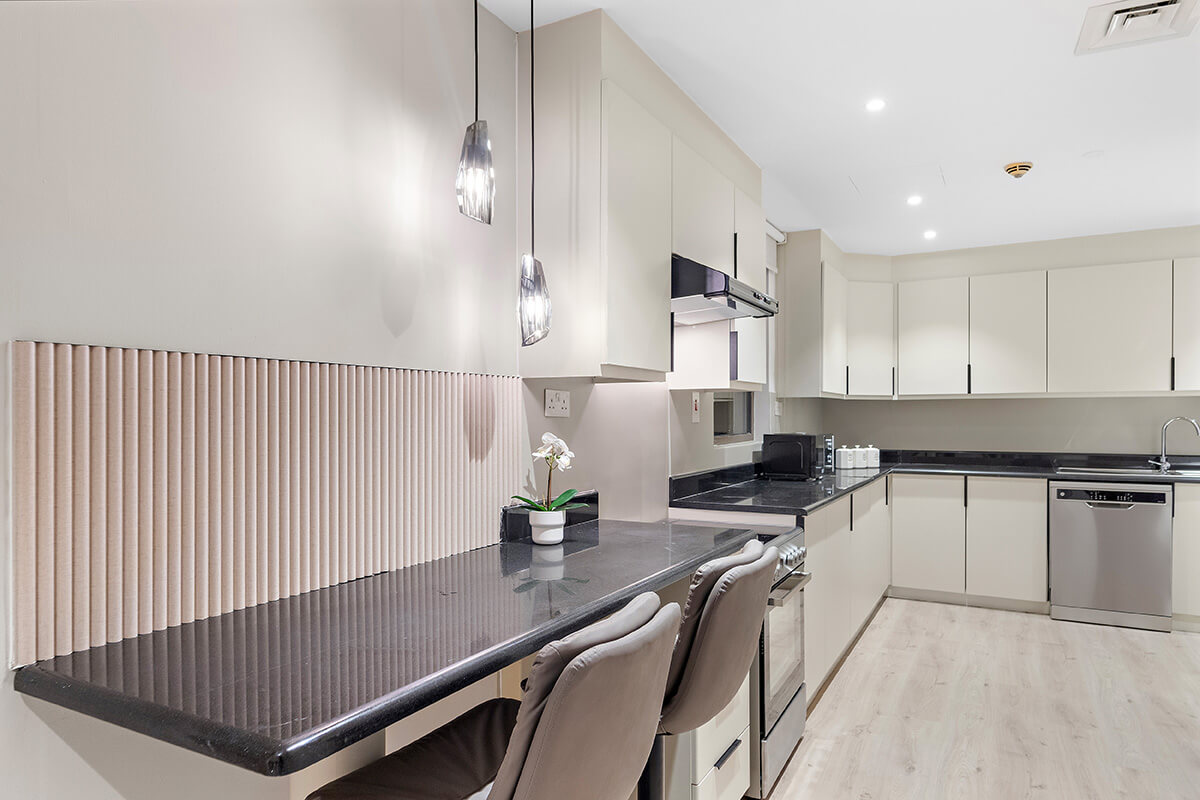
The same standard applies whether the property is a newly handed-over apartment, a home returning from a long-term tenancy, or a second residence receiving guests for the first time. The work required will vary, but every guest should find a safe, functional, and accurately presented property on arrival. Assessing the home against one consistent checklist makes any gaps visible before they affect the first stay.
Paperwork First: The DET Permit and the Building's Procedures
The first check is that the DET permit has been issued and the supporting records are complete. A holiday home needs a valid permit from DET (Dubai Department of Economy and Tourism, formerly DTCM) before it can be advertised or listed. The application documents include the title deed or an approved DLD sale and purchase agreement, an applicable developer NOC, and signed owner identification. They also include a company trade licence where relevant, authorised-signatory identification, a Property Management Letter, and a current DEWA bill.
Additional documents may be required depending on the property and ownership structure, and the sale and purchase agreement is checked for any prohibition before the application proceeds. The steps after property handover put most of those documents in the owner's hands in the right order.
The second check concerns the building's procedures. DET determines whether the property qualifies for a Holiday Home permit. The building administers valid access, security, registration, and shared-area procedures. Those procedures, covering guest registration, access cards, parking, and the use of shared facilities, are best obtained in writing from the Management Entity and kept in the property file, since they shape the guest information and the arrival arrangements later in this list.
Checks 3 to 5: Are the Systems, Safety Provisions, and Insurance in Place?
The third check is how the property performs under normal guest use. Cooling should maintain the required temperature in every room, while hot water should remain available when two outlets are used simultaneously. Every appliance, socket, light, and fitted system should be tested rather than assumed to work, since a guest may rely on any of them from the first night.
The fourth check is the list of provisions the DET Holiday Homes User Guide requires a licensed holiday home to have in place:
- Fire extinguishers and fire blankets
- Protective gloves and a torch
- A first-aid kit
- Emergency procedures displayed in the property
- 24-hour maintenance contact details
- A SIRA-approved smart lock connected to the Keyless system
This list provides an operating baseline rather than a complete technical specification. Servicing should follow the manufacturer's instructions and applicable provider requirements.
The fifth check is insurance. The required cover must remain valid throughout the licence period, so the policy and permit expiry dates should be monitored alongside each other from the outset while remaining separate obligations. The cover should reflect the property's intended holiday-home use and the applicable policy requirements. Renewing the permit does not renew or extend the insurance policy, so each expiry date should be tracked independently and any questions about cover or renewal addressed with the insurer before the policy lapses.
Furnishing and Connectivity: Checks 6 and 7
Furnishing to a guest-ready standard is the sixth check. The plan should begin with how guests will use the completed layout, including sleeping capacity that matches the listing, luggage storage, bedside sockets and lighting, a complete kitchen, and suitable window coverings.
Furniture, finishes, and fabrics should also be selected with frequent cleaning, maintenance, and replacement in mind. The visual scheme should complement the apartment without overcrowding it.
Connectivity is the seventh check. The internet connection should be active and tested throughout the property, with the network details included in the guest information. The smart lock should also be connected and tested using a fresh guest code. A clear alternative access procedure is needed if a guest arrives without a working phone.
Inventory, House Rules, and the Listing: Checks 8 and 9
The eighth check is the inventory. Linen and towel stocks should accommodate consecutive turnovers and expected laundry lead times. The kitchen should contain enough crockery, cutlery, glassware, and cookware for the property's stated capacity, while consumables should be stored where housekeeping can access them. A written inventory makes between-stay inspections quicker and keeps replacements consistent.
The ninth check pairs the house rules with the listing. Written house rules covering occupancy, noise, smoking, pets, parking, and shared facilities give guests a clear basis for their stay and reflect the building's procedures gathered in the second check.
Guest information should explain arrival, Wi-Fi access, appliances, and the maintenance contact. The listing can then be created using professional photography of the furnished property and a description that accurately reflects what guests will find.
Check 10: Who Will Operate the Property?
The final check is the operating plan. Before the first reservation is accepted, a named person should be responsible for guest communication within a stated response window. Cleaning and linen arrangements should be confirmed, and a maintenance route should be established for faults arising during a stay. A pricing review cycle should also be agreed so that rates can respond to seasonality and booking pace within commercially viable limits.
The onboarding timeline shows how these responsibilities are assigned during a managed launch. Owners starting a short-term rental business independently need to build the same responsibilities into their operating plan.
The Ten Checks at a Glance
The table gathers the ten checks, the test that confirms each is complete, and the party usually responsible.
- DET permit: Ready When: Permit issued and supporting records complete; Responsible Party: Owner or licensed operator
- Building procedures: Ready When: Procedures obtained in writing from the Management Entity; Responsible Party: Owner or operator
- Systems under load: Ready When: Cooling in every room, hot water at two outlets, every socket and appliance tested; Responsible Party: Owner or technician
- Safety provisions: Ready When: Required items present, accessible, and serviceable; Responsible Party: Owner or operator
- Insurance: Ready When: Cover valid throughout the licence period and expiry monitored separately; Responsible Party: Owner
- Furnishing: Ready When: Guest standard met, capacity matches the listing, durable finishes in place; Responsible Party: Owner or operator
- Connectivity: Ready When: Reliable Wi-Fi confirmed throughout the property; smart lock connected and tested; Responsible Party: Owner or operator
- Inventory: Ready When: Sufficient linen and towels stocked for turnover needs; kitchen, consumables, and written inventory complete; Responsible Party: Operator
- House rules and listing: Ready When: Rules and guest information written, photographs and description match the property; Responsible Party: Owner or operator
- Operating plan: Ready When: Guest contact, turnover arrangements, maintenance route, and pricing review cycle agreed; Responsible Party: Owner or operator
How First Class Property Management Runs the Same Checks
First Class Property Management works through the same checks during onboarding. The process begins with an assessment of the property's readiness, followed by DET registration handled on the owner's behalf. It then covers furnishing preparation, professional photography, and listing distribution across Airbnb, Booking.com, and other platforms.
A dedicated Guest Experience Manager is assigned before the first arrival, providing an in-person welcome as the standard and direct WhatsApp support from two days before arrival until departure. Onboarding can typically be completed in around two weeks when the required documents are available and the property needs no substantial work.
FAQ
Can a property be listed while the permit application is pending?
A valid DET permit is required before a Dubai holiday home can be advertised or listed. Furnishing, photography, and a draft listing can be prepared while the application is being processed, but the listing should not be published or made bookable until the permit has been issued.
Does a brand-new apartment need the same checks as an older one?
It does, and testing its systems is particularly important because the cooling, water heating, and appliances may not yet have operated under normal occupancy. The snag list from handover provides a useful starting point, and any outstanding item should be assessed before the property is furnished and photographed.
How much furniture does a guest-ready property need?
The property needs enough to match the listing's stated capacity and to let a guest live comfortably for the length of a typical stay, which usually means complete sleeping, dining, and kitchen provision, storage for luggage and clothes, and lighting in every room. Decorative pieces add less than durable, well-chosen essentials do.
Who should the owner appoint before the first booking?
The owner should appoint a guest contact with a stated response window, a cleaning and linen provider, a maintenance contact for faults arising during a stay, and a person or specialist responsible for pricing reviews. An owner can perform several of these roles personally or appoint a licensed operator to manage them, but responsibility for each role should be assigned before the first reservation is accepted.
If you want support completing the ten checks, you can list your property with First Class Property Management and bring permit administration, furnishing preparation, photography, and listing creation into one onboarding process.